The relationship between nutrition and menstrual health is one of the most well-researched and least talked-about areas of women's wellness. Dozens of clinical studies have confirmed that specific nutrient deficiencies directly worsen PMS symptoms — and that correcting those deficiencies can meaningfully reduce them. Here are the five that matter most.
1. Magnesium — The Cramp Crusher
Magnesium is the MVP of menstrual nutrition. Studies show that women who experience PMS have significantly lower magnesium levels than those who don't, and that magnesium supplementation reduces cramping, mood symptoms, and fluid retention. The mechanism makes intuitive sense: magnesium is essential for muscle relaxation. When levels are low, uterine muscles — like all muscles — are more prone to painful contractions.
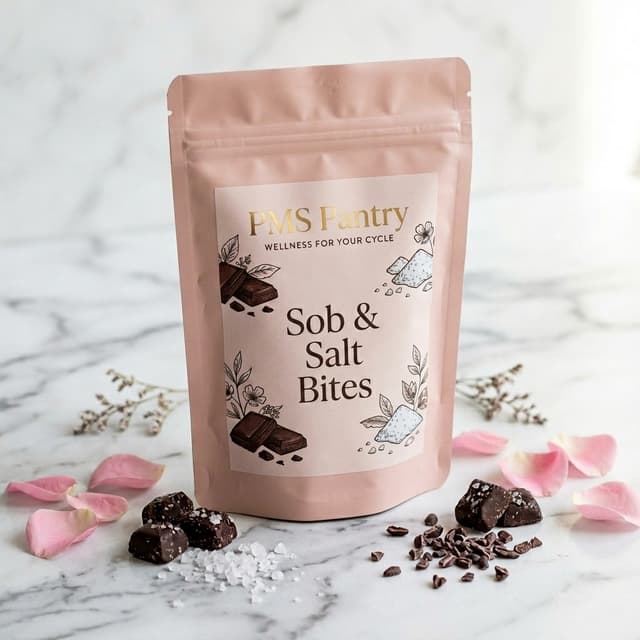
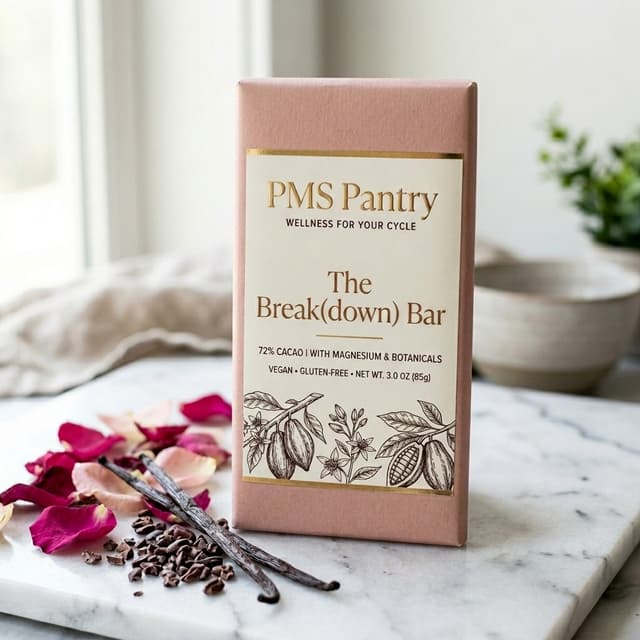
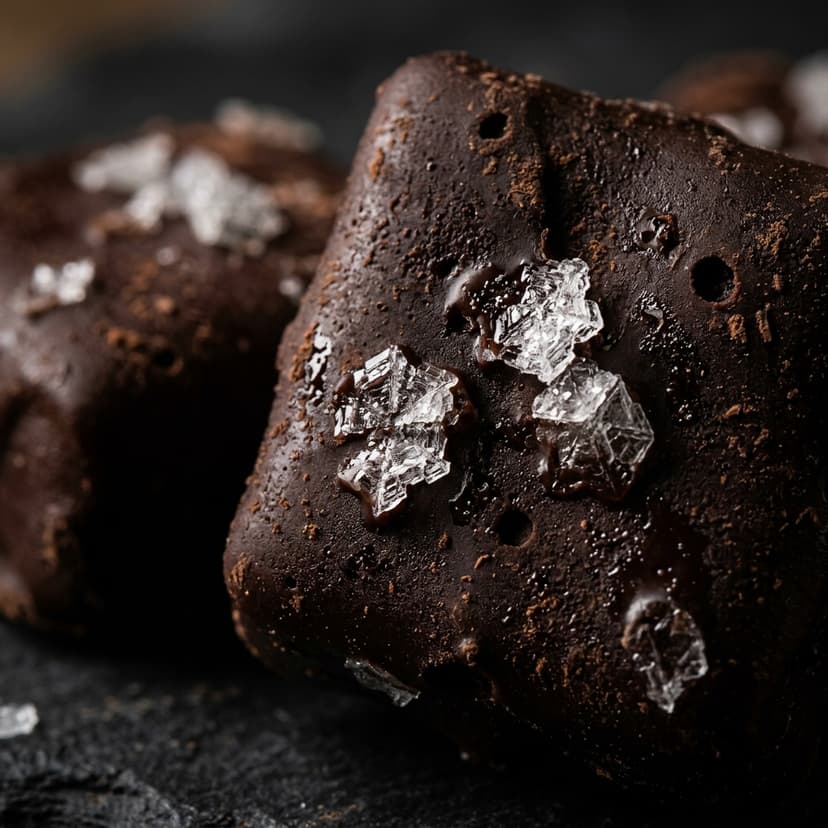
The best dietary sources include dark chocolate (70%+ cacao), pumpkin seeds, cashews, and almonds. The key detail: the form of magnesium matters. Magnesium bisglycinate (the form used in our Sob & Salt Bites) is one of the most bioavailable forms, meaning your body actually absorbs and uses it instead of just passing it through.
How much you need: 310–320 mg/day, with some research suggesting 360 mg in the luteal phase.
2. Vitamin B6 — The Mood Stabilizer
Vitamin B6 plays a central role in the synthesis of serotonin and dopamine — the neurotransmitters that regulate mood, motivation, and emotional stability. Clinical trials have shown that B6 supplementation reduces PMS-related mood symptoms including irritability, depression, and anxiety by up to 50% in some studies.
B6 also supports the production of progesterone, helping to balance the hormonal fluctuations that drive PMS in the first place. It's one of the most direct nutritional interventions for emotional PMS symptoms, and it works through multiple pathways simultaneously.
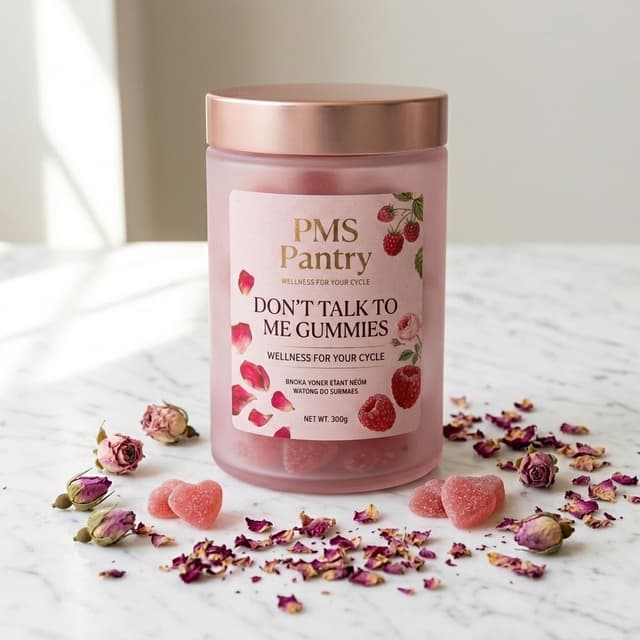
How much you need: 50–100 mg/day in the luteal phase. Found in: bananas, poultry, chickpeas, and our Don't Talk To Me Gummies.
3. Iron — The Energy Restorer
You lose iron every time you have a period — that's unavoidable. But when you start each cycle already running low, the fatigue and brain fog that accompany menstruation become significantly worse. Iron is essential for hemoglobin production, which carries oxygen to your cells. Low iron means low oxygen delivery, which manifests as the bone-deep exhaustion that many people experience during and after their period.
Non-heme iron (from plant sources) is less bioavailable than heme iron (from meat), but pairing it with vitamin C dramatically increases absorption. Almonds, pumpkin seeds, and cashews are solid plant-based iron sources — and the vitamin C in many fruits makes them ideal pairing partners.
How much you need: 18 mg/day for people who menstruate. Key sources: lentils, spinach, nuts, seeds, fortified foods.
4. Omega-3 Fatty Acids — The Inflammation Fighter
Cramps are driven by prostaglandins — hormone-like compounds that trigger uterine contractions. Omega-3 fatty acids are among the most effective natural inhibitors of inflammatory prostaglandin production. Multiple studies have found that increasing omega-3 intake reduces both the intensity and duration of menstrual pain, sometimes as effectively as ibuprofen.
Beyond cramp relief, omega-3s support brain function (helpful when PMS brain fog hits), reduce systemic inflammation, and support mood stability. Pumpkin seeds, flaxseed, walnuts, and fatty fish are the best sources. Our Spicy Mango Trail Mix is built around pumpkin seeds specifically for this reason.
How much you need: At least 1–2g of EPA/DHA daily. Plant sources provide ALA, which converts to EPA/DHA at a lower rate.
5. Calcium — The Whole-Body Supporter
Calcium's role in PMS is often underestimated. A landmark study in the American Journal of Obstetrics and Gynecology found that women who consumed 1,200 mg of calcium daily reduced their overall PMS symptoms by 48% compared to a placebo group. Calcium is involved in nerve transmission, muscle contraction, and — along with vitamin D — in regulating the hormonal fluctuations that drive PMS.
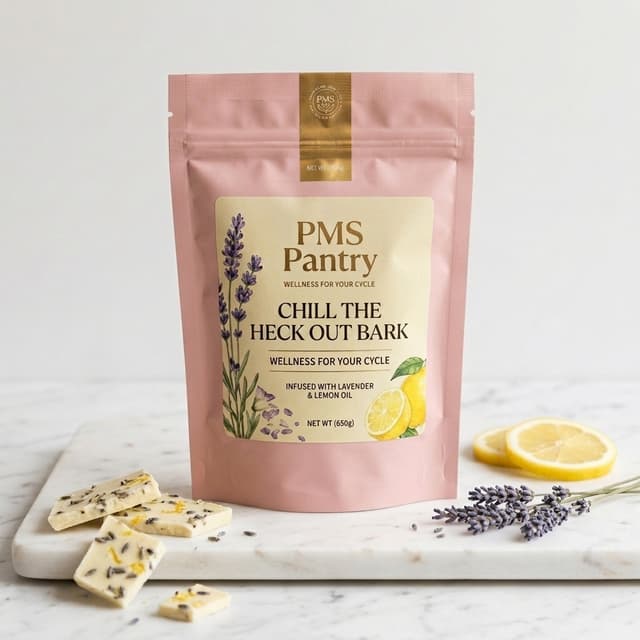
Critically, calcium and vitamin D work together. Vitamin D is required for calcium absorption, and many people are deficient in both. Our Chill the Heck Out Bark was specifically designed around this pair — calcium carbonate and vitamin D3 together in a format that actually tastes like a treat.
How much you need: 1,000–1,200 mg/day. Sources: dairy, fortified plant milks, white chocolate, leafy greens.
You don't need a supplement cabinet to hit these numbers. You need the right snacks — ones designed to actually deliver these nutrients in forms your body can use.
Cover every nutrient your cycle needs
Crafted with ingredients that earn their place — because your body deserves snacks that work as hard as you do.