Most of us were taught that a "cycle" is just your period — that five to seven days of symptoms you manage and move past. But your cycle is actually 28 days (give or take), and every single day of it involves a different hormonal environment that affects your energy, hunger, mood, sleep, and cravings. Eating for your cycle means working with that biology instead of against it.
Cycle syncing isn't about restriction. It's about recognizing that your body has different needs at different times — and feeding those needs specifically.
Phase 1: Menstrual (Days 1–5)
This is the phase most people think of as "the cycle." Estrogen and progesterone are at their lowest. Your uterine lining sheds. Energy is low, inflammation is high, and iron is being lost through bleeding.
What your body needs:
- Iron — to replace what's lost through bleeding (red meat, lentils, dark leafy greens)
- Magnesium — to relax uterine muscles and reduce cramp intensity
- Omega-3 fatty acids — to reduce prostaglandin-driven inflammation
- Warm, easily digestible foods — your digestion slows; raw foods can increase bloating
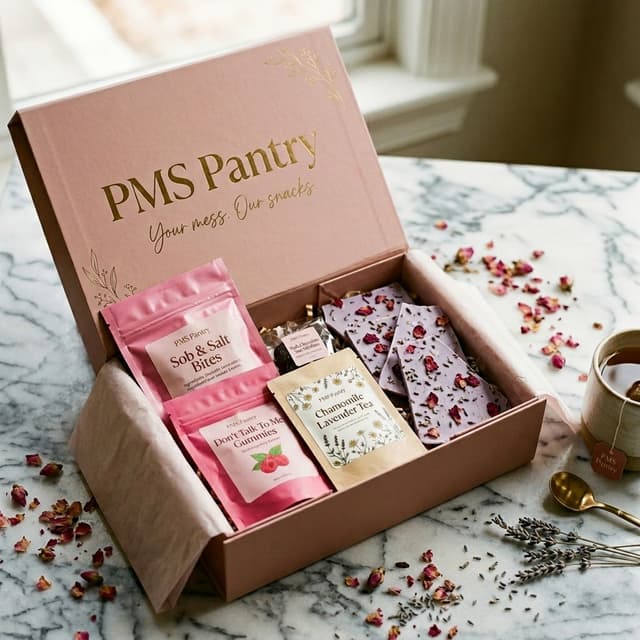
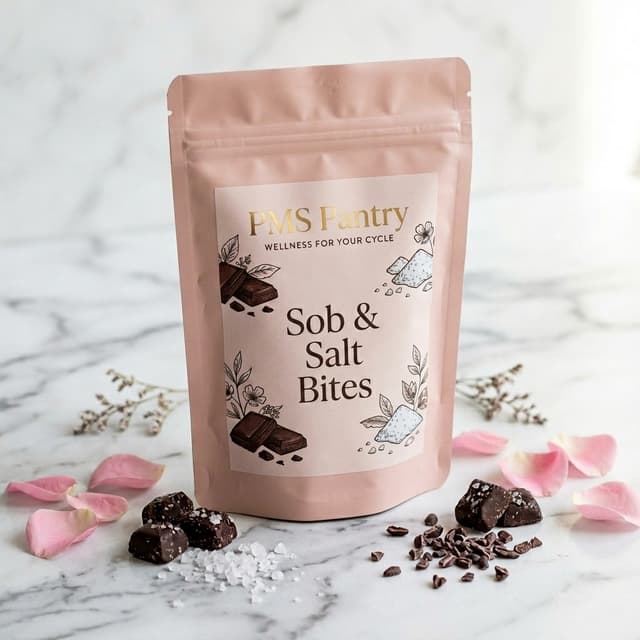
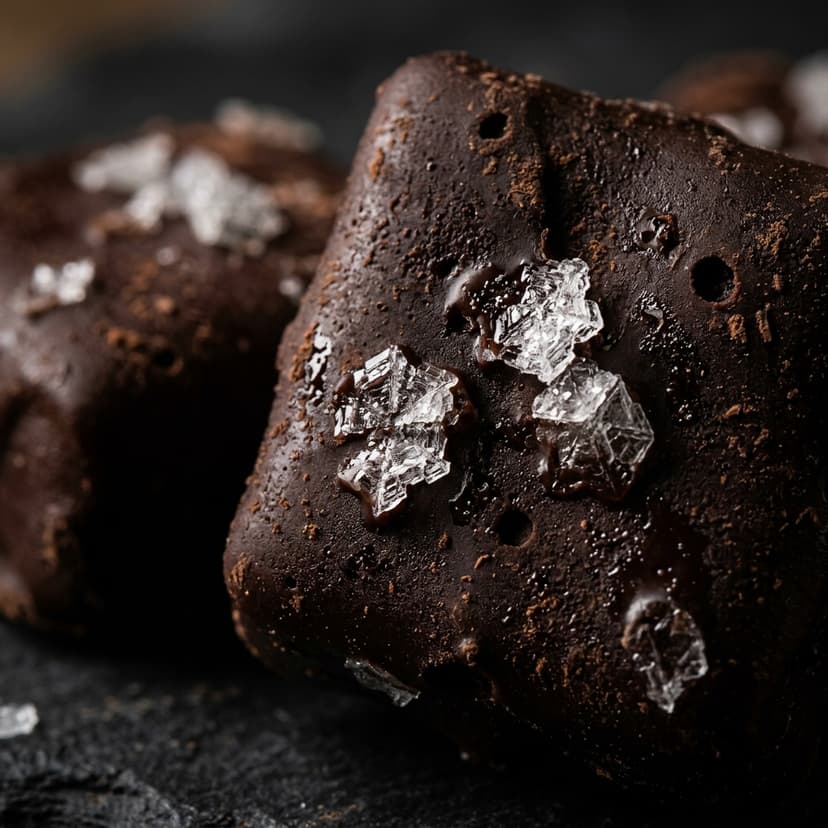
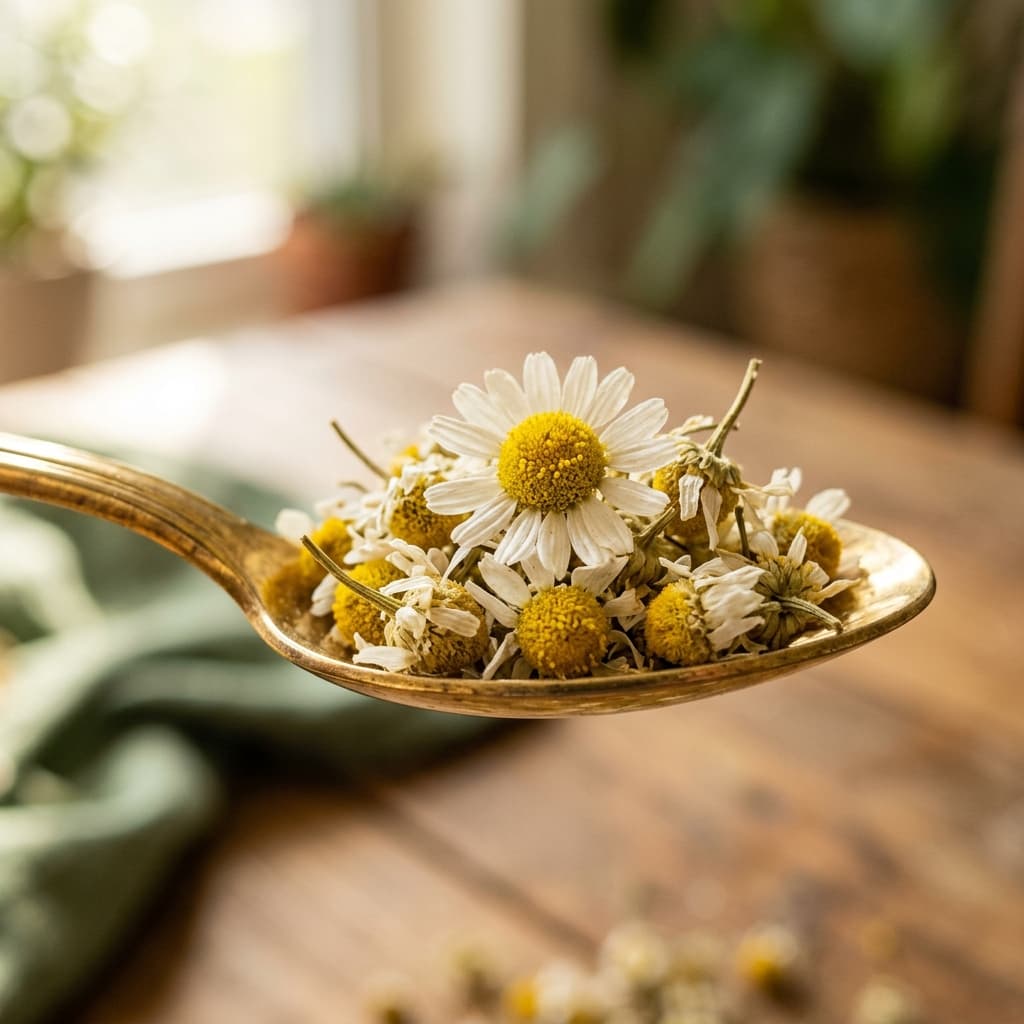
This is the phase where our Not Today, Hormones Tea shines — chamomile relaxes uterine muscles, passionflower reduces anxiety, and lemon balm helps you sleep through the discomfort. Sob & Salt Bites deliver magnesium right when you need it most.
Phase 2: Follicular (Days 6–13)
Estrogen begins to rise as your body prepares to release an egg. This is your natural high-energy phase. Mental clarity improves, motivation returns, and most people feel their best physically. Your body is building new tissue and your metabolism is slightly lower than it will be in the luteal phase.
What your body needs:
- Lighter, fresher foods — salads, lean proteins, sprouted grains
- Probiotics and fermented foods — estrogen is metabolized through the gut
- B vitamins — to support estrogen metabolism and sustained energy
- Antioxidants — to protect the developing follicle (berries, leafy greens)
This is a great phase to focus on variety and nutrient density. Your digestive system is more efficient, your appetite is naturally lower, and your body responds well to whole, colorful foods.
Phase 3: Ovulatory (Days 14–16)
Estrogen peaks and then a surge of luteinizing hormone (LH) triggers ovulation. This is often the highest-energy point of your cycle — many people notice increased social drive, confidence, and libido. Your metabolism is still relatively low.
What your body needs:
- Zinc — supports the ovulatory process and immune function
- Fiber — helps your liver process the estrogen peak efficiently
- Anti-inflammatory foods — to support the inflammatory response of ovulation
- Moderate protein — to support the hormonal surge
Phase 4: Luteal (Days 17–28)
This is the phase that affects most people most intensely. Progesterone rises (then drops sharply before your period), pulling serotonin and dopamine down with it. Your metabolism increases by 100–300 calories per day. Cravings intensify. Sleep quality decreases. Mood becomes harder to regulate.
The luteal phase is when PMS symptoms arrive — and it's also when nutritional support matters most.
What your body needs:
- Magnesium — the single most important nutrient for this phase; reduces cramps, improves sleep, stabilizes mood
- Vitamin B6 — supports serotonin synthesis, reduces mood symptoms
- Calcium + Vitamin D — clinical trials show this combo reduces PMS symptom severity by up to 50%
- Complex carbohydrates — your brain is demanding more glucose; whole grains, oats, and sweet potato are ideal
- Tryptophan-rich foods — precursor to serotonin (eggs, pumpkin seeds, dark chocolate)
Almost every PMS Pantry product is designed specifically for the luteal phase — when your body needs targeted nutrition the most.
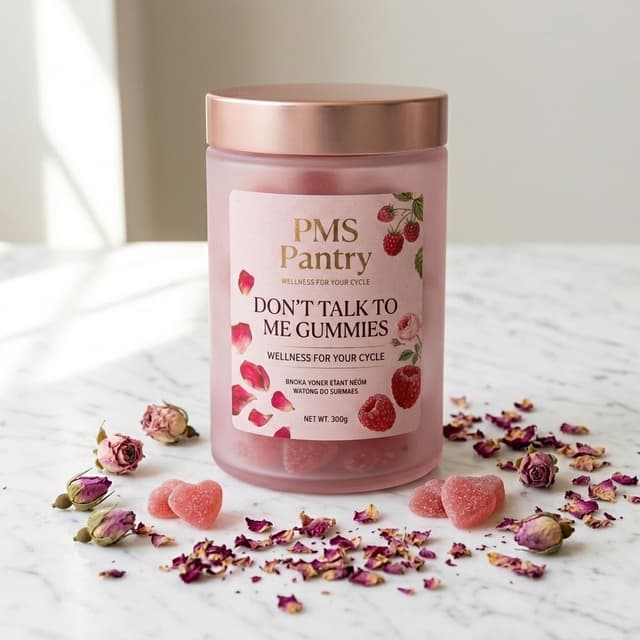
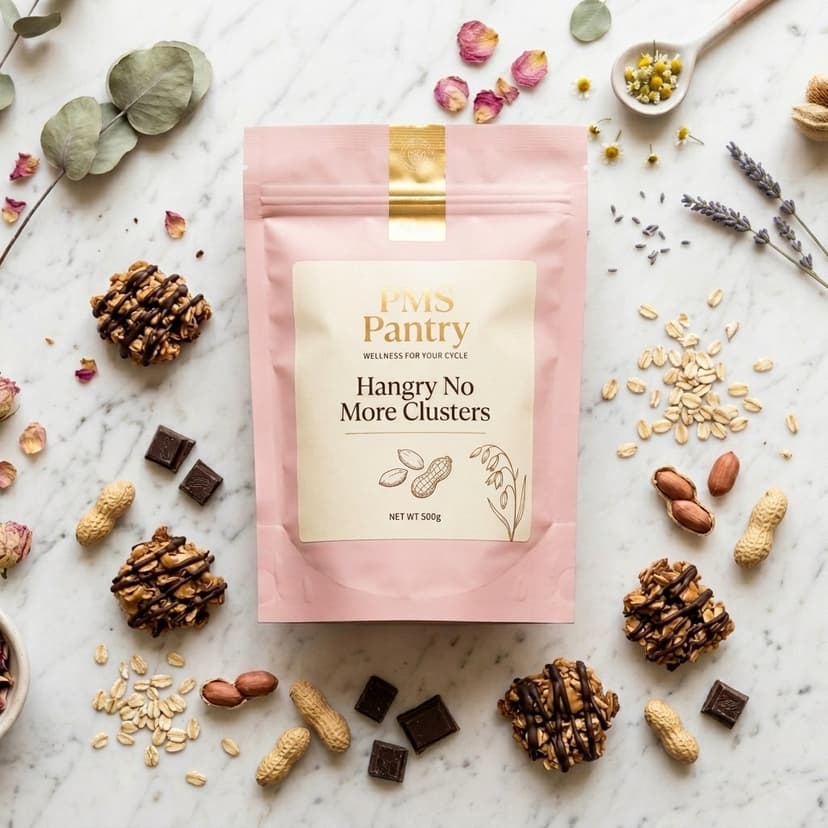
Our Don't Talk To Me Gummies deliver B6 for serotonin support. Chill the Heck Out Bark covers calcium and Vitamin D. Sob & Salt Bites and The Break(down) Bar address magnesium. The Cry & Crunch Thins give you zinc and B12. The system is complete.
“Eating for your cycle isn't a fad diet. It's recognizing that your hormonal environment changes every week — and your food can either work with those changes or against them.”
— PMS Pantry
Eat for every phase of your cycle
Crafted with ingredients that earn their place — because your body deserves snacks that work as hard as you do.