Most nutrition advice treats your body like a static system — eat these macros, hit these micros, every day, same plan. But for people with menstrual cycles, that approach misses something fundamental: your body isn't static. It moves through four distinct phases every month, each characterized by different hormone levels, different energy demands, different nutritional needs, and different opportunities to support your health.
Cycle syncing — the practice of adjusting your diet, exercise, and lifestyle to align with each hormonal phase — has gained significant traction in the wellness world. Here's what the science actually says, and how to implement it practically.
Phase 1: Menstruation (Days 1–5)
Estrogen and progesterone are at their lowest. Energy levels drop. The body is focused on shedding the uterine lining. This is the phase most people think about when they think about nutritional support for their cycle — and for good reason.
What your body needs:
- Iron — to replenish what's lost through bleeding. Pair with vitamin C for better absorption.
- Zinc — shown to reduce menstrual pain when taken during this phase.
- Omega-3 fatty acids — to reduce inflammatory prostaglandins driving cramps.
- Magnesium — for muscle relaxation and cramp reduction.
- Warming, easy-to-digest foods — your digestive system is often more sensitive during menstruation.
Focus on: soups, stews, lentils, dark leafy greens, salmon, dark chocolate, nuts and seeds. This is exactly the phase our Hot Mess Express Box was built for.
Phase 2: Follicular Phase (Days 6–13)
Estrogen begins to rise. Energy returns. The brain is sharper, mood is lighter, motivation is higher. This is often described as the "spring" of the cycle — a natural window of increased capacity and openness.
What your body needs:
- Fermented foods — rising estrogen is processed and metabolized partly through the gut. A healthy microbiome supports optimal estrogen metabolism.
- Lighter, fresher foods — your digestion is more efficient in this phase. Raw vegetables, salads, and lighter proteins are easier to process.
- B vitamins — support the energy surge and cellular repair happening as follicles develop.
- Protein — supports the physical energy and exercise capacity that peaks in this phase.
Focus on: yogurt, kimchi, eggs, avocado, sprouted grains, colorful vegetables. This is when intense workouts feel good and you might actually want to meal prep.
Phase 3: Ovulation (Days 14–16)
The LH surge triggers ovulation. Estrogen peaks and testosterone briefly rises. Energy and confidence are typically at their highest. This is the body's moment of peak resource investment, and nutritional support can help it go smoothly.
What your body needs:
- Antioxidants — to support the oxidative demands of the ovulatory process.
- Fiber — helps clear excess estrogen from the body before the luteal phase begins.
- Anti-inflammatory foods — to support a smooth ovulatory process.
- Zinc and selenium — both support healthy ovulation.
Focus on: berries, leafy greens, quinoa, flaxseed, sunflower seeds, citrus fruits. This is typically when you feel the most social and energetic — let your food reflect that.
Phase 4: Luteal Phase (Days 17–28) — The PMS Zone
Progesterone rises and then falls in this phase. Estrogen dips. Serotonin drops. Metabolism increases. This is the phase that most people associate with PMS — and the one where nutritional strategy has the most direct impact on how you feel.
What your body needs:
- Magnesium — critical for managing cramps, mood, and sleep in this phase.
- Vitamin B6 — directly supports serotonin synthesis to counter the mood dip.
- Complex carbohydrates — for sustained serotonin support without blood sugar crashes.
- Calcium and vitamin D — the 48% PMS reduction combination.
- Reduced alcohol, caffeine, and processed sodium — all of which amplify luteal symptoms.
- More calories overall — your metabolic rate is genuinely elevated; don't fight the hunger.
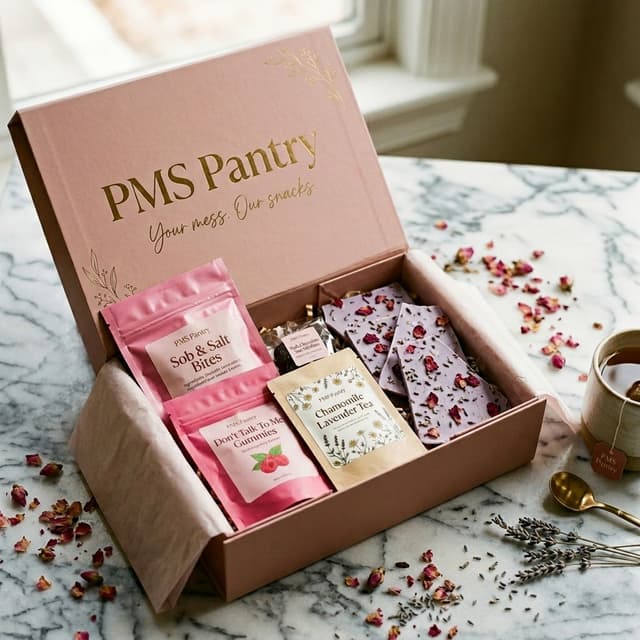
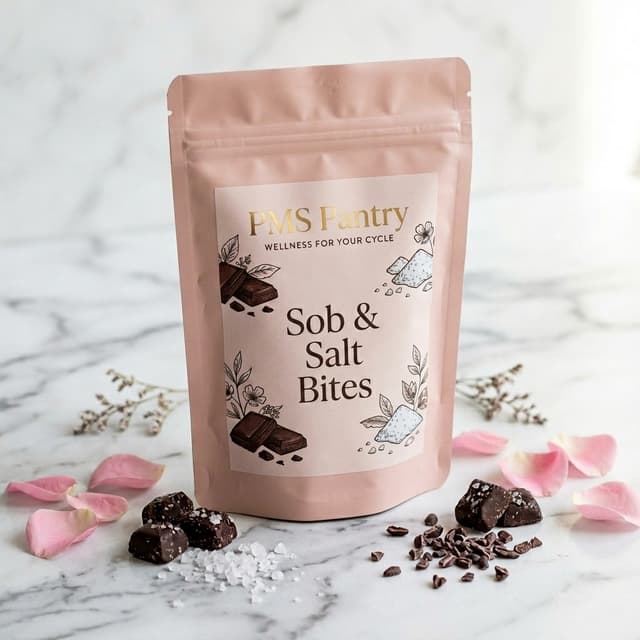
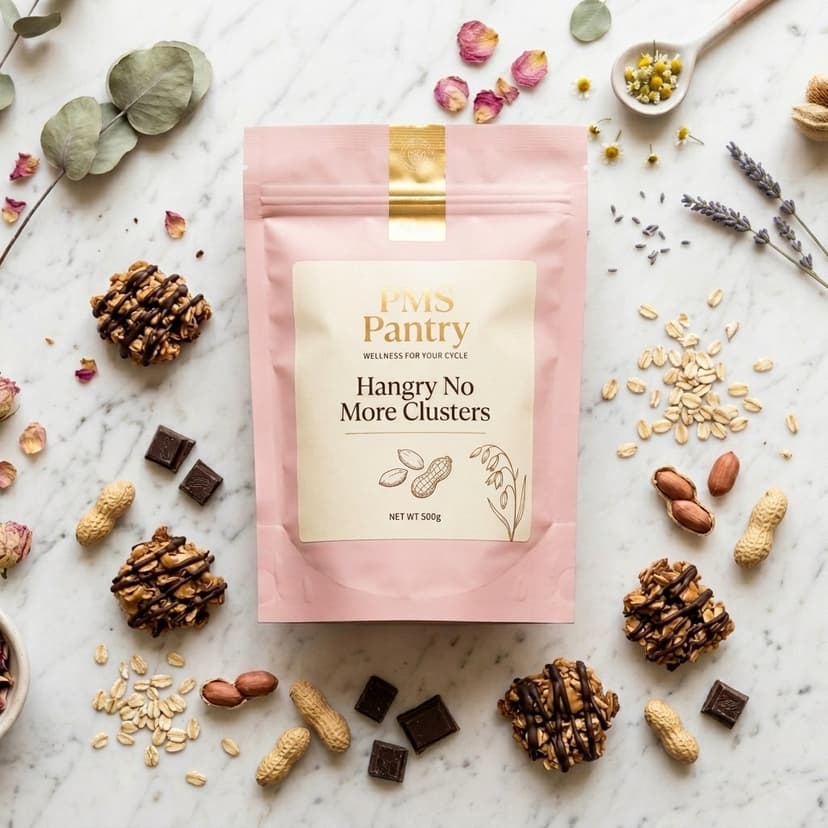
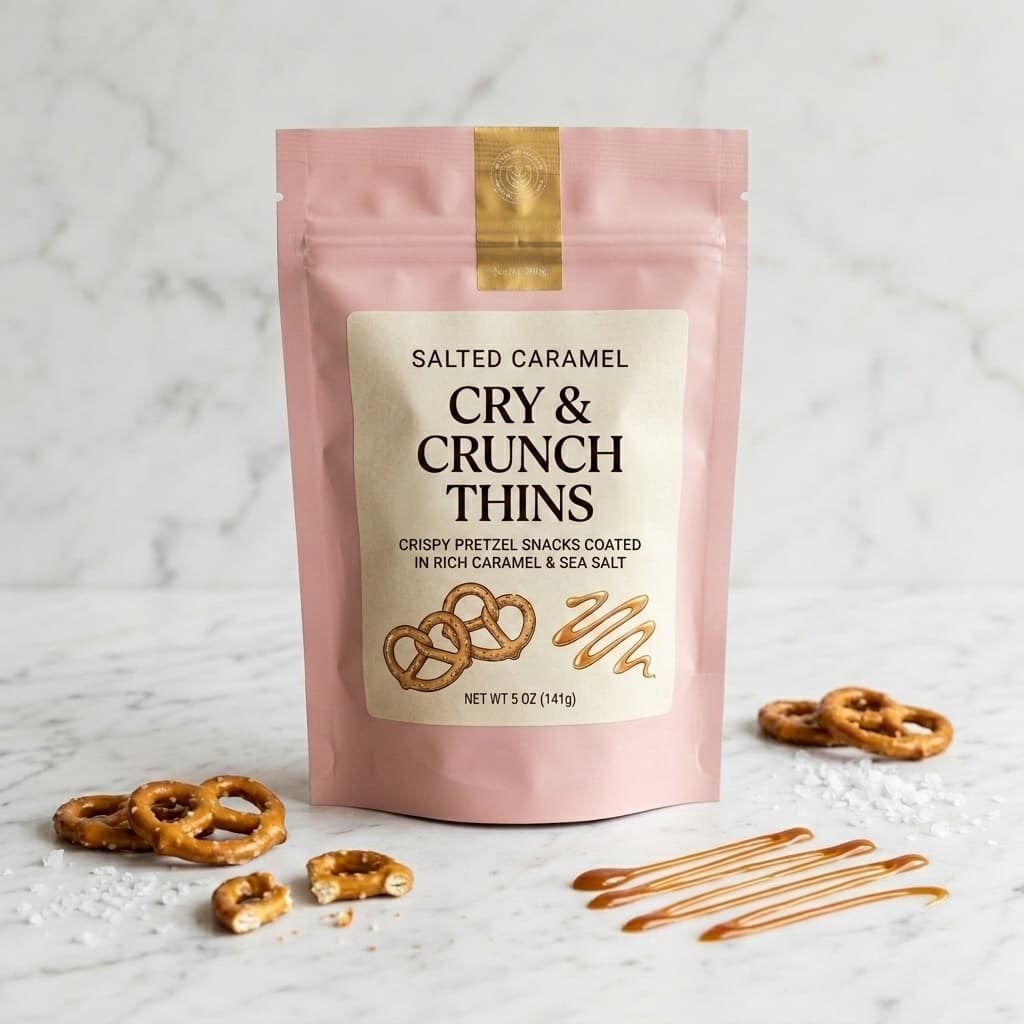
Focus on: dark chocolate, nuts, seeds, sweet potatoes, oats, legumes, and yes — your PMS Pantry snacks. This is exactly what they were designed for.
Cycle syncing isn't about eating perfectly. It's about eating intentionally — giving your body the tools it needs when it needs them most, instead of a one-size-fits-all approach that ignores the rhythm you're actually living in.
Start small. You don't need to overhaul your entire diet overnight. Pick one phase — probably the luteal — and spend one cycle paying closer attention to what you're eating and how you feel. The correlation between nutrition and your symptoms may surprise you.
Sync your snacks to your cycle
Crafted with ingredients that earn their place — because your body deserves snacks that work as hard as you do.