Most fitness programs are designed with a 24-hour cycle in mind: rest, train, recover, repeat. But for people with menstrual cycles, the relevant rhythm is 28 days — and the hormonal shifts across that cycle have measurable effects on strength, endurance, recovery, injury risk, and motivation. Training the same way every day isn't just inefficient. For some people, it actively makes PMS worse.
Here's what the research actually says about exercise across each phase — and how to structure your movement to work with your biology.
Menstruation (Days 1–5): Move Gently
Estrogen and progesterone are at their lowest. Inflammation is higher. Iron is being lost. Many people feel at their physically lowest point in this phase — and forcing high-intensity workouts during menstruation can worsen cramps through increased prostaglandin release and elevate cortisol, which amplifies pain sensitivity.
What works: walking, gentle yoga, swimming, light cycling. Movement increases circulation and can genuinely reduce cramping, but intensity matters. The goal in this phase is to keep your body moving without adding physiological stress. If you feel terrible, rest is always a legitimate option.
Follicular Phase (Days 6–13): Your Power Window
Rising estrogen increases muscle synthesis, pain tolerance, coordination, and motivation. Research shows that strength gains are faster in the follicular phase — your body is primed to build muscle during this window. Energy is typically at its highest. This is the phase where pushing harder in the gym actually pays off more.
What works: strength training, HIIT, competitive sports, trying new physical challenges. Your injury risk is relatively low (estrogen supports ligament strength), your recovery is faster, and your nervous system is more responsive. If you're going to PR a lift or attempt a new workout style, this is your phase.
One caveat: estrogen also increases ligament laxity, which can increase ACL injury risk in some high-impact sports. Warm up thoroughly.
Ovulation (Days 14–16): Peak Performance
The brief testosterone spike around ovulation combines with peak estrogen to create a window of genuine physical peak. Many athletes report their best performances around ovulation — faster times, heavier lifts, greater endurance. If you have an athletic event or a fitness goal, timing it here isn't superstition. It's physiology.
Luteal Phase (Days 17–28): Train Smarter, Not Harder
This is the most misunderstood phase for exercise. Progesterone rises and then drops, and the body shifts into a higher metabolic state. Core temperature is slightly elevated. Recovery takes longer. But there's a common mistake: many people either push through at full intensity (which can increase PMS symptoms and cortisol load) or stop exercising entirely (which removes one of the most effective tools for managing PMS).
The research points to a middle path: moderate-intensity, consistent movement in the luteal phase reduces PMS symptoms — including mood, cramps, and bloating — more effectively than either intense training or complete rest. Pilates, yoga, hiking, cycling at conversation pace, and moderate strength work are all excellent choices.
- Reduce session intensity by about 20% compared to your follicular phase
- Extend warm-up time — your joints and muscles need more preparation
- Prioritize recovery: more sleep, more protein, more magnesium
- Avoid adding new training stressors in this phase — maintain, don't build
- Listen to your body aggressively — if something hurts more than usual, respect it
“The goal of cycle-synced training isn't to do less. It's to do the right thing at the right time — and get more out of your effort because of it.”
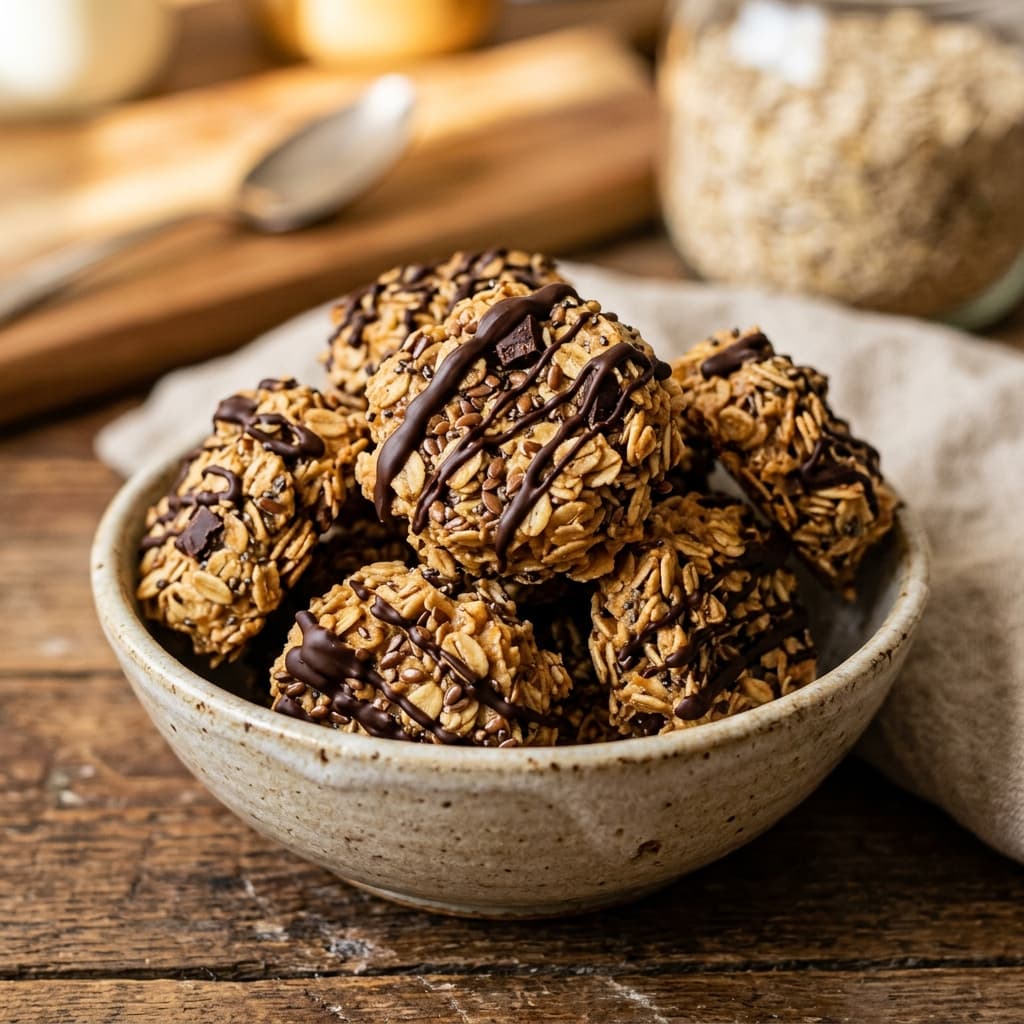
Pair your movement with cycle-smart nutrition: iron and omega-3s during menstruation, protein in the follicular phase, magnesium and complex carbs in the luteal. Your snacks and your workouts should be speaking the same language.
Fuel your movement with cycle-smart snacks
Crafted with ingredients that earn their place — because your body deserves snacks that work as hard as you do.