"You're being so sensitive right now." "It's just your hormones." "Try not to let it get to you." If you've ever been on the receiving end of these comments in the days before your period, you know how infuriating they are — especially when what you're experiencing feels completely out of your control.
Premenstrual Syndrome (PMS) is a real, documented medical condition. It affects an estimated 75–90% of people with menstrual cycles in some form and is classified as PMDD (Premenstrual Dysphoric Disorder) at its most severe. It's not a personality flaw. It's a hormonal event.
What PMS actually is
PMS symptoms emerge in the luteal phase — the two weeks before your period — and typically resolve within the first few days of bleeding. They're caused by the sharp drop in progesterone and estrogen that signals the end of a cycle, which directly affects serotonin, dopamine, and GABA levels in your brain.
The defining characteristic of PMS isn't which symptoms you have — it's the timing. If your symptoms appear consistently in the 1–2 weeks before your period and improve once bleeding starts, that's PMS.
8 signs you're experiencing PMS
1. Mood changes that feel disproportionate
Irritability, sudden sadness, emotional sensitivity, or feeling overwhelmed by things that wouldn't normally affect you. This is serotonin-driven — not a personality trait. The drop in estrogen directly suppresses serotonin production.
2. Bloating and abdominal discomfort
Progesterone slows digestion and causes water retention. The bloating you experience before your period is physiological, not dietary. Many people gain 2–5 pounds of water weight in the luteal phase.
3. Breast tenderness
The hormonal fluctuation causes swelling in breast tissue — sometimes quite painful. This typically peaks 1–5 days before your period and resolves quickly once bleeding begins.
4. Intense food cravings
Especially for chocolate, salt, carbohydrates, or sweet foods. This is your brain's response to the serotonin and dopamine drop — it's seeking fast routes to neurotransmitter replenishment. The cravings are real signals, not failure of willpower.
5. Fatigue and low energy
Even after adequate sleep, you may feel exhausted. This is a combination of hormonal changes, slightly elevated metabolism (your body is working harder), and sleep disruption caused by low progesterone and temperature fluctuations.
6. Sleep disruption
Difficulty falling asleep, staying asleep, or waking feeling unrested. Progesterone normally has a mild sedative effect — when it drops sharply, that effect disappears and sleep architecture suffers.
7. Headaches
Hormonal headaches (sometimes full migraines) are driven by the estrogen withdrawal that happens before your period. They typically occur in the 2 days before and first 3 days of your period.
8. Brain fog and difficulty concentrating
Working memory, verbal fluency, and reaction time all measurably decrease in the late luteal phase in studies of women with PMS. It's not your imagination — and it's not permanent.
When to talk to a doctor
If your symptoms are severe enough to significantly interfere with work, relationships, or daily functioning, you may be experiencing PMDD (Premenstrual Dysphoric Disorder), which affects about 3–8% of people with cycles. PMDD involves the same symptoms but at a level of intensity that warrants medical support, which may include SSRIs, hormonal therapy, or other interventions.
- Track your symptoms for 2–3 cycles using an app or journal to identify patterns
- Note symptom start/end dates relative to your period
- Bring this record to your doctor — it makes diagnosis much faster
- Discuss options beyond "just take ibuprofen" — there are many effective interventions
What you can do now
The good news: evidence-based nutrition and lifestyle changes can significantly reduce PMS symptom severity — often by 30–50%. Magnesium, Vitamin B6, calcium, and Vitamin D are the four best-studied nutrients for PMS relief, and all four are clinically shown to reduce multiple symptom categories.
“PMS is not who you are. It's something that happens to you — and understanding it is the first step to making it a little more bearable.”
— PMS Pantry
Find snacks that work with your symptoms
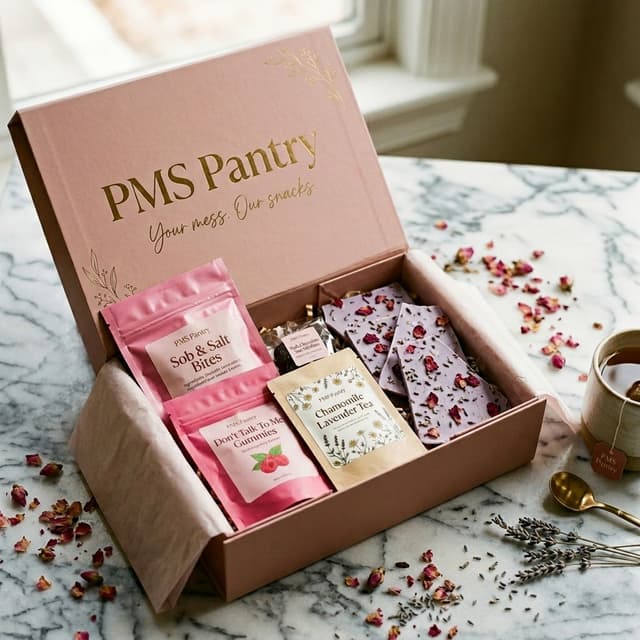
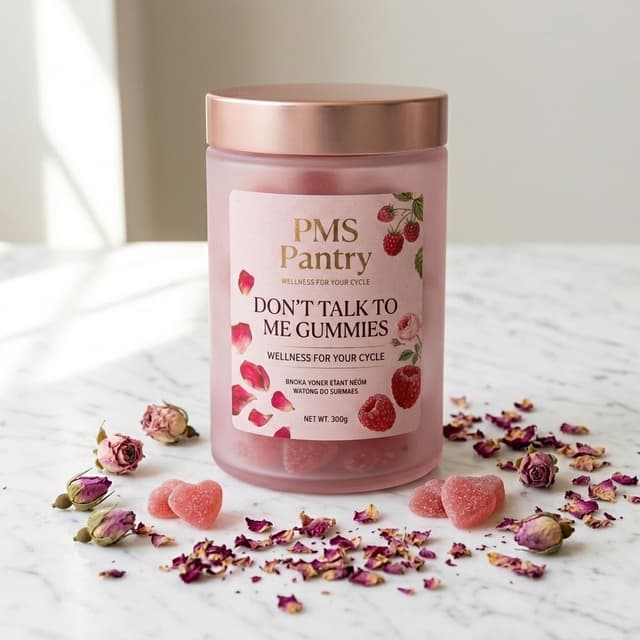
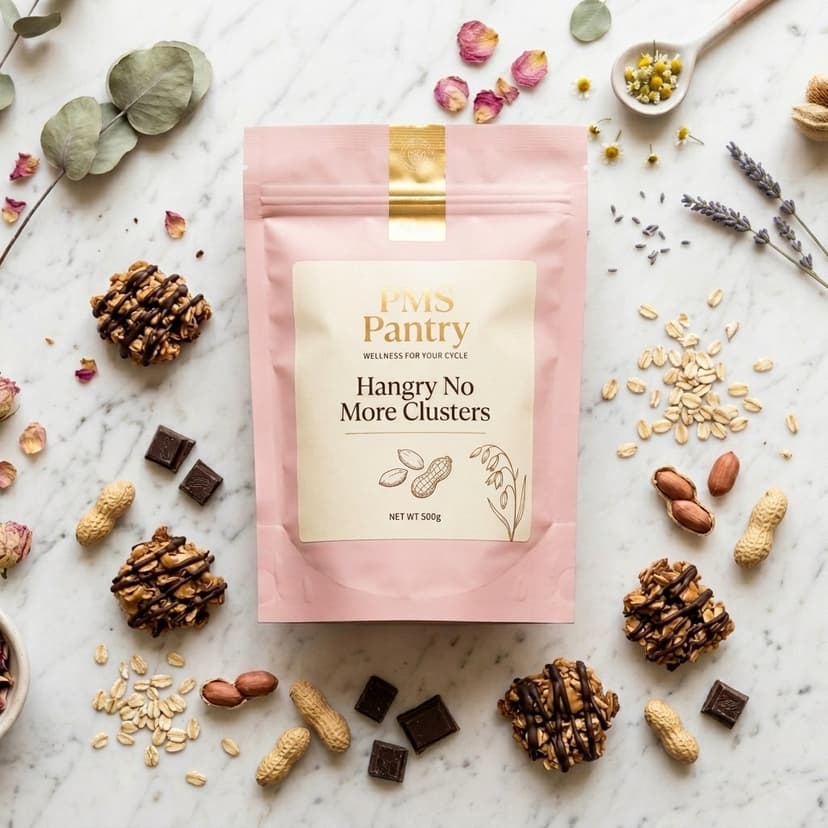
Crafted with ingredients that earn their place — because your body deserves snacks that work as hard as you do.